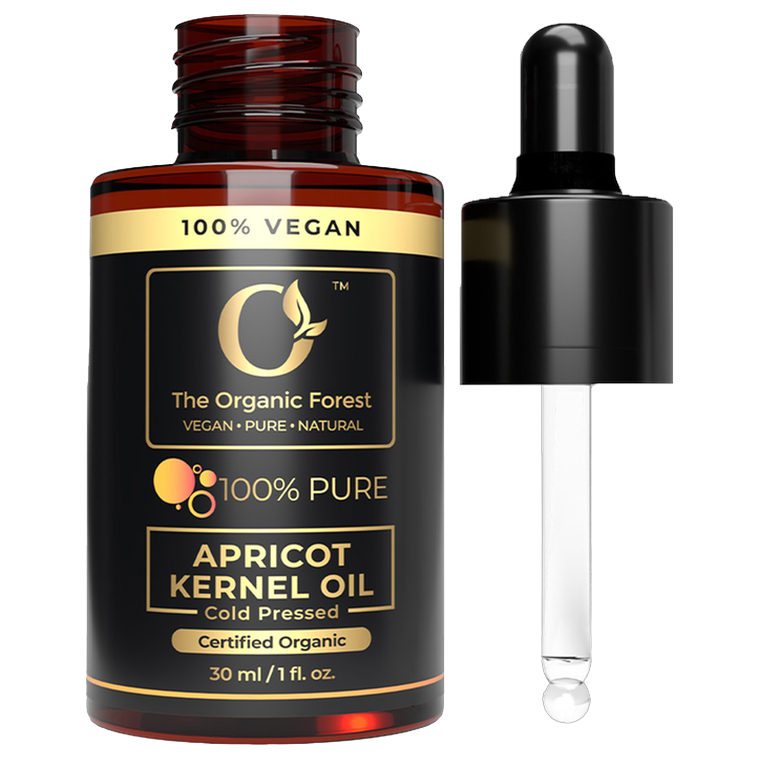
Early evidence Single-origin, GC/MS tested, CoA in every box.
Apricot Kernel Oil carries an overall Early grade across the 6 studies linked on this page; the strongest signal is for acne.
One in-vitro study found that apricot seed essential oil (mostly benzaldehyde) has antimicrobial activity against various bacteria and yeasts, and notes traditional oriental use for acne vulgaris, but no clinical trials in human acne patients were found.
“Chemical composition and antimicrobial activity of the essential oil of apricot seed”
Read the study on PubMed →A single animal study found that a 10% bitter apricot kernel extract ointment improved wound and burn healing in rats, alongside demonstrating analgesic and anti-inflammatory effects, but this involved a hydro-ethanolic kernel extract rather than apricot kernel oil itself and has not been validated in humans.
“Analgesic, Antioxidant, Anti-Inflammatory, and Wound-Treating Actions of Bitter Apricot Kernel Extract”
Read the study on PubMed →One in-vitro study identified benzaldehyde, mandelonitrile, and benzoic acid as the main components of apricot seed essential oil and demonstrated antimicrobial activity against various bacteria and yeast species, but no clinical studies tested its effect on dandruff specifically.
“Chemical composition and antimicrobial activity of the essential oil of apricot seed”
Read the study on PubMed →Only one relevant in-vitro study was found, showing that commercial Prunus armeniaca (apricot kernel) essential oil, alone and combined with other oils, inhibited growth of dermatophyte fungi (Microsporum canis, Epidermophyton floccosum, Trichophyton rubrum, T. mentagrophytes) in laboratory conditions; no human or animal studies were identified.
“Anti-dermatophyte efficacy and environmental safety of some essential oils commercial and in vitro extracted pure and combined against four keratinophilic pathogenic fungi”
Read the study on PubMed →A single animal study evaluated a nanoemulgel combining oxaprozin (an NSAID) with apricot kernel oil for transcutaneous delivery in an osteoarthritis rat model, showing reduced joint swelling and decreased TNF-α/IL-6 levels compared to controls, but this reflects a drug-delivery vehicle study rather than apricot kernel oil acting alone as an anti-inflammatory agent.
“Transcutaneous Delivery of Dual-Approach Oxaprozin and Apricot Kernel Oil Through a QbD Driven Nanoemulgel: Therapeutic Potential Against Osteoarthritis-Induced Animal Model”
Read the study on PubMed →One preclinical rat study combined apricot kernel oil with the NSAID oxaprozin in a nanoemulgel for osteoarthritis, showing reduced inflammatory markers and radiographic improvement, but this tests a drug-oil combination rather than apricot kernel oil alone for muscle pain specifically.
“Transcutaneous Delivery of Dual-Approach Oxaprozin and Apricot Kernel Oil Through a QbD Driven Nanoemulgel: Therapeutic Potential Against Osteoarthritis-Induced Animal Model”
Read the study on PubMed →No PubMed-indexed studies were found evaluating apricot kernel oil for dry skin; traditional/anecdotal use as an emollient exists but is not supported by identified clinical or experimental literature.
No PubMed-indexed studies were found evaluating Apricot Kernel oil for hyperpigmentation; any use for this purpose is based on traditional or anecdotal claims rather than clinical research.
No PubMed studies were found investigating apricot kernel oil as a treatment for rosacea; any use is based on general emollient properties and anecdotal skincare tradition rather than clinical data.
Study counts reflect our internal research database. Figures are honest tallies, not marketing claims; every linked study opens on PubMed.