Hi — I handle bulk & wholesale for this oil. Ask me anything, or tap a question below.
About this product
In plain words.
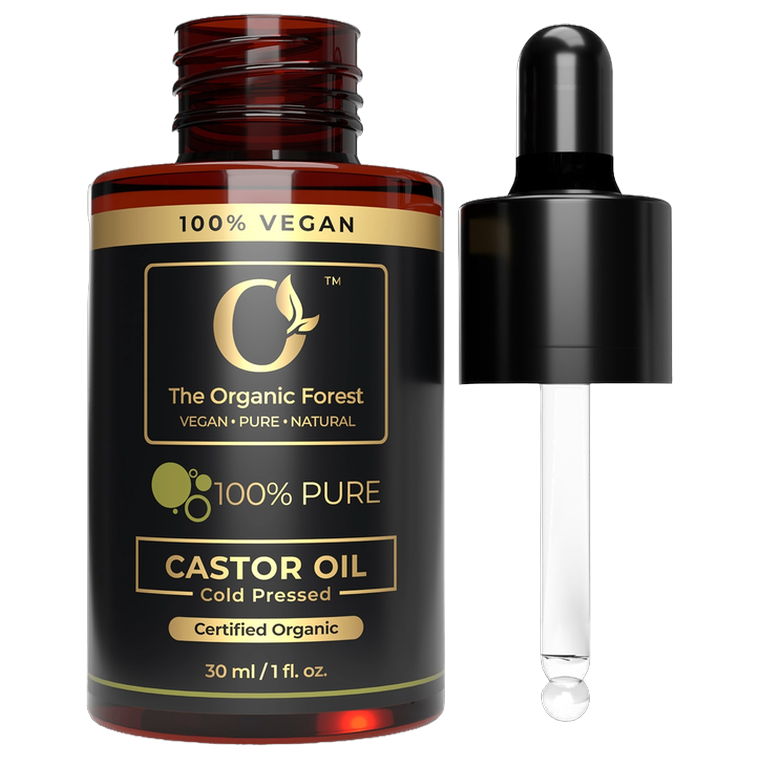
Upgrade your routine with castor oil: glowing skin, resilient hair, and calm moments — one simple oil. Pressed from the Ricinus communis plant, known for its rich, nourishing feel.
For skin: deeply moisturising — people use it to soften the look of fine lines, soothe rough patches and hydrate chapped lips.
For hair: a nourishing boost — traditionally used to support shine and help reduce breakage and split ends.
For wellbeing: blend a few drops with a relaxing essential oil like lavender for a soothing massage.
How to use: use as-is, or add a few drops of an essential oil to make your own blend. Works as part of a daily skin or hair routine.
9
uses studied
15
papers cited
0
hidden from you
What the published studies found
Early evidence · 3 studies
Burns/Wound Healing
Limited evidence shows castor oil can be incorporated into wound dressing materials with antibacterial properties, and has been used clinically for surgical wound dehiscence, but lacks rigorous controlled trials.
One small RCT (26 participants) showed castor oil reduced cylindrical dandruff in blepharitis patients, and an ex vivo study confirmed castor oil kills Demodex mites that cause dandruff-like symptoms on eyelashes.
Castor oil (Ricinus communis) is mentioned in traditional medicine surveys for treating eczema, but no clinical trials or controlled studies specifically testing castor oil for eczema were found.
One small single-arm clinical trial of 22 patients showed castor oil cream reduced infraorbital hyperpigmentation after 2 months of treatment. Traditional use in Nigerian herbal medicine is documented, but post-inflammatory hyperpigmentation was noted as a reason for consultation after herbal treatments.
Limited evidence shows castor oil as a vehicle component in topical psoriasis formulations, with one study demonstrating effective drug delivery in an oleogel formulation, but no direct evidence of castor oil itself treating psoriasis.
One small cosmetic study from 1991 found that a quaternary ammonium salt derived from castor oil showed subjective improvement in moisturizing lotion application and some positive viscoelastic skin measurements, though no difference was found in sebum levels or transepidermal water loss.
One in-vitro study showed that castor plant (Ricinus communis) extracts had antifungal activity against Candida albicans with MIC values of 2.34-4.69 mg/mL, and demonstrated synergistic effects when combined with other plant extracts.
The only relevant study identified is a narrative review (PMID 29084706) documenting traditional ethnomedicinal use of Ricinus communis (castor) for arthritis, rheumatism, and muscle aches, and citing preclinical reports of anti-inflammatory activity; no human clinical trials for joint inflammation were found. The second visible result (PMID 35903446) is irrelevant to this pair, as castor oil was used only as a diarrhea-inducing agent in an experiment on a different plant.
A single ethnomedicinal review of Ricinus communis (castor plant) documents traditional use for 'sleeplessness and insomnia' among many other folk applications, but no clinical trials, controlled studies, or mechanistic research evaluating castor oil specifically for sleep or insomnia were identified in the results. The second retrieved study (PMID 25050287) is irrelevant—it concerns a different plant and merely used castor oil to induce diarrhea in a mouse model.