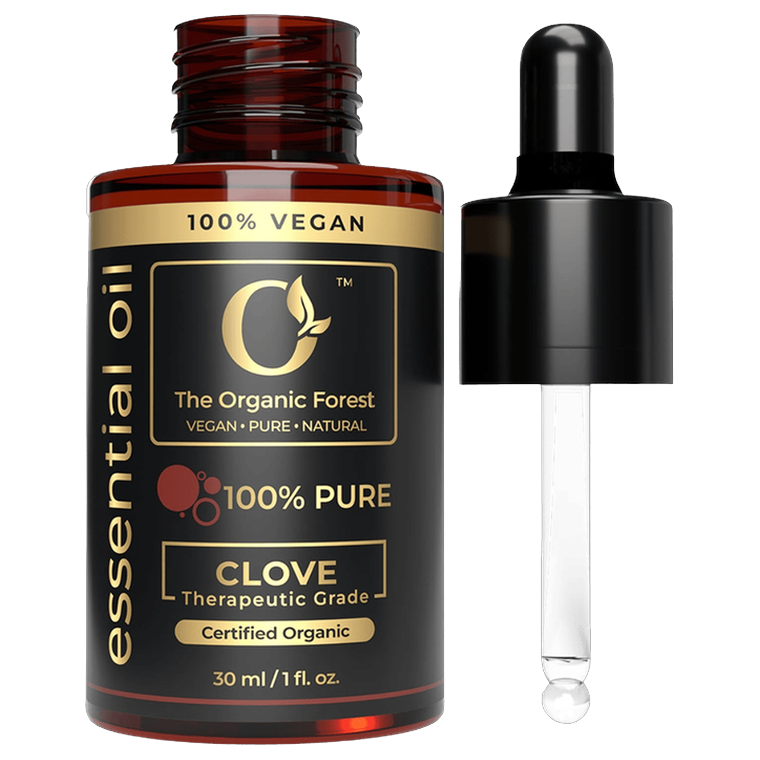
Clove Oil carries an overall Early grade across the 9 studies linked on this page; the strongest signal is for acne.
The only relevant study found tested clove essential oil in vitro against acne-causing bacteria (C. acnes and S. epidermidis) as one of five oils compared, but thyme oil was identified as the most potent antimicrobial/anti-inflammatory agent, with clove oil not being the primary focus or shown to be superior; no clinical trials on clove oil specifically for acne were found.
“Antibacterial and Anti-Inflammatory Activities of Thymus vulgaris Essential Oil Nanoemulsion on Acne Vulgaris”
Read the study on PubMed →Evidence for clove oil in burns/wound healing is limited to a single preclinical study showing improved wound closure and antioxidant/anti-inflammatory effects of a clove oil nanoemulsion in a murine burn model, with no human clinical trials identified.
“Nanoemulsions of Clove Oil Stabilized with Chitosan Oleate-Antioxidant and Wound-Healing Activity”
Read the study on PubMed →Clove oil is mentioned only briefly as one of several natural oils used in home-care topical preparations for uremic xerosis/pruritus in a systematic review, but no dedicated clinical trial isolating clove oil's efficacy for dry skin was identified.
“Management of Uremic Xerosis and Chronic Kidney Disease (CKD)-Associated Pruritus (CKD-ap) With Topical Preparations: A Systematic Review and Implications in the Indian Context”
Read the study on PubMed →Evidence for clove oil against fungal infections consists primarily of in silico molecular docking studies and in vitro/laboratory antifungal susceptibility and formulation studies (e.g., nanoliposome-encapsulated clove oil against Trichophyton rubrum), with no identified human clinical trials.
“In silico anti-fungal efficacy and the mechanism of binding of some Syzygium aromaticum ingredient compounds to aspartate semialdehyde dehydrogenase, 6C8W and 6C85, enzymes from Blastomyces dermatitidis”
Read the study on PubMed →One in-vitro study found clove (Syzygium aromaticum) extract inhibited mushroom tyrosinase activity (69.4%), suggesting potential depigmenting mechanism, but no clinical trials directly test clove oil for hyperpigmentation; the second study used clove oil only as a penetration enhancer/control in an Annona muricata formulation, not as the active depigmenting agent.
“Screening of Nepalese crude drugs traditionally used to treat hyperpigmentation: in vitro tyrosinase inhibition”
Read the study on PubMed →Only one study was found in which clove oil was a minor excipient (0.5%) in a baicalin-loaded microemulsion gel tested for gouty arthritis in mice; the anti-inflammatory effects observed cannot be attributed to clove oil specifically since baicalin was the primary active compound being studied.
“Preparing a novel baicalin-loaded microemulsion-based gel for transdermal delivery and testing its anti-gout effect”
Read the study on PubMed →The single relevant result is a narrative review discussing eugenol (clove's main constituent) as a local anesthetic/analgesic phytochemical acting on Na+ channels and membranes, but it does not present clinical trial data specifically on muscle pain treatment with clove oil.
“Anesthetic Agents of Plant Origin: A Review of Phytochemicals with Anesthetic Activity”
Read the study on PubMed →Evidence for clove oil in psoriasis is limited to in vitro/formulation research: one study used clove essential oil as a component of a nanoemulsion delivery vehicle for a psoriasis drug (8-MOP), not testing clove itself as a treatment, and another showed eugenol (clove's active compound) inhibits 5-lipoxygenase and leukotriene C4 in human neutrophils, a pathway relevant to inflammatory conditions including psoriasis but not tested in psoriasis patients.
“Formulation characterization and in vitro drug release of hydrogel-thickened nanoemulsions for topical delivery of 8-methoxypsoralen”
Read the study on PubMed →A single in vitro study found clove essential oil demonstrated killing activity against Demodex folliculorum mites (implicated in rosacea pathogenesis), outperforming tea tree oil, ivermectin, and metronidazole in this lab setting, but no clinical trials in actual rosacea patients exist.
“Comparison of in vitro Killing Effect of Thai Herbal Essential Oils, Tea Tree Oil, and Metronidazole 0.75% versus Ivermectin 1% on Demodex folliculorum”
Read the study on PubMed →Study counts reflect our internal research database. Figures are honest tallies, not marketing claims; every linked study opens on PubMed.