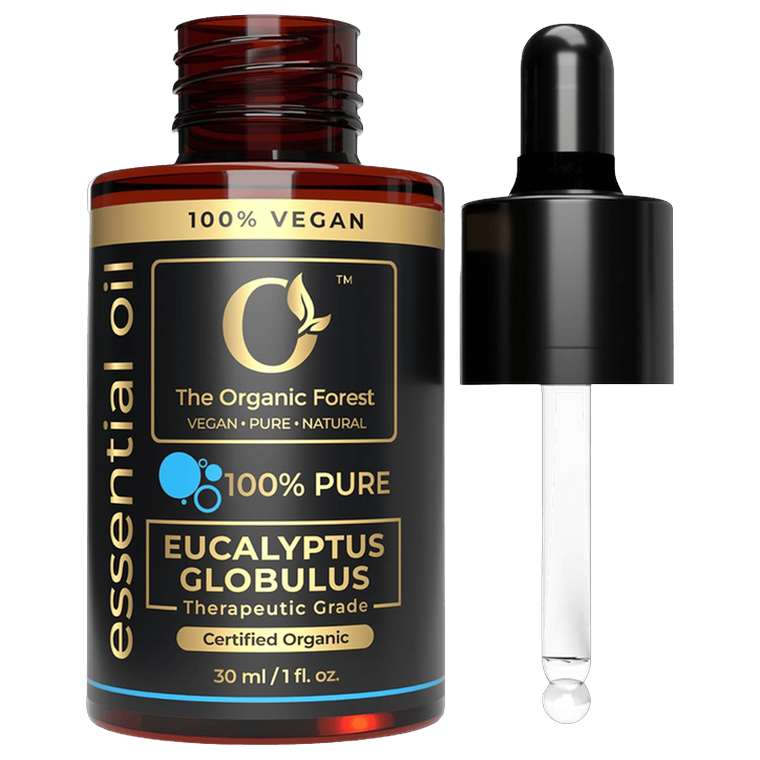
Early evidence Single-origin, GC/MS tested, CoA in every box.
Eucalyptus Oil carries an overall Early grade across the 13 studies linked on this page; the strongest signal is for acne.
One laboratory study found that topical gel formulations containing eucalyptus extract (along with aloe vera and onion) showed antimicrobial activity against acne-related bacteria in test tubes, but no human trials have been conducted.
“Formulation and Evaluation of Herbal-Based Antiacne Gel Preparations”
Read the study on PubMed →One in-vitro study found that bacterial nanocellulose membranes enriched with Eucalyptus globulus aqueous extract showed antioxidant activity and reduced senescence-associated β-galactosidase activity in cell cultures, suggesting potential anti-aging properties. However, this was only tested in laboratory cell cultures, not in human subjects.
“Bioactive Bacterial Nanocellulose Membranes Enriched with Eucalyptus globulus Labill. Leaves Aqueous Extract for Anti-Aging Skin Care Applications”
Read the study on PubMed →Only one review article mentions neuroprotective and anti-aging potentials of essential oils from aromatic plants including eucalyptus, but provides no specific clinical evidence for eucalyptus oil treating anxiety or stress in humans.
“Neuroprotective and Anti-Aging Potentials of Essential Oils from Aromatic and Medicinal Plants”
Read the study on PubMed →Limited evidence shows eucalyptus oil incorporated into nanofiber wound dressings demonstrated antimicrobial activity and enhanced wound healing in laboratory and animal studies. However, one case report documents severe ocular burns from eucalyptus oil-containing products.
“Nano-Chitosan/Eucalyptus Oil/Cellulose Acetate Nanofibers: Manufacturing, Antibacterial and Wound Healing Activities”
Read the study on PubMed →One small RCT (40 participants) showed that a combination of eucalyptus with other essential oils improved skin hydration and barrier function over 90 days. However, eucalyptus was only tested in combination with other oils, not as a standalone treatment for dry skin.
“Safety and efficacy of combined essential oils for the skin barrier properties: In vitro, ex vivo and clinical studies”
Read the study on PubMed →In vitro studies demonstrate that Eucalyptus globulus essential oil and its major component eucalyptol (1,8-cineole) exhibit antifungal activity against Trichosporon ovoides (Piedra hair infection) and Candida species biofilms respectively, with mechanistic data showing ROS generation, cell cycle arrest, and disruption of cell wall biogenesis. All evidence is limited to laboratory settings with no clinical trials in humans.
“Inhibitory effect of essential oils against Trichosporon ovoides causing Piedra Hair Infection”
Read the study on PubMed →One controlled human study found eucalyptus oil combined with peppermint oil had muscle-relaxing effects but little influence on pain sensitivity for headache. Additional mechanistic research identified eudesmol compounds from eucalyptus that can block calcium channels involved in migraine pathways.
“Essential plant oils and headache mechanisms”
Read the study on PubMed →One in-vitro study found that Eucalyptus globulus essential oil showed depigmenting effects by inhibiting tyrosinase and melanin production in laboratory tests. However, this is only preliminary laboratory evidence with no human clinical trials testing eucalyptus oil for treating hyperpigmentation.
“Chemical Composition and Effect against Skin Alterations of Bioactive Extracts Obtained by the Hydrodistillation of Eucalyptus globulus Leaves”
Read the study on PubMed →Only one animal study found where eucalyptus oil was used as a permeation enhancer in a topical gel for rheumatoid arthritis treatment, not as the primary therapeutic agent. No direct clinical evidence exists for eucalyptus oil treating joint inflammation in humans.
“Design and Evaluation of Continentalic Acid Encapsulated Transfersomal Gel and Profiling of its Anti-arthritis Activity”
Read the study on PubMed →One animal study showed eucalyptus oil had anti-inflammatory and analgesic effects, particularly when combined with flurbiprofen, but no human clinical trials are available in the provided data.
“Anti-inflammatory mechanisms of eucalyptol rich Eucalyptus globulus essential oil alone and in combination with flurbiprofen”
Read the study on PubMed →Only one scoping review mentions eucalyptus oil in the context of inflammatory skin conditions including rosacea, but provides no specific clinical evidence for eucalyptus oil treating rosacea specifically.
“The Therapeutic Potential of Essential Oils in Managing Inflammatory Skin Conditions: A Scoping Review”
Read the study on PubMed →One controlled trial found that a lotion containing pseudo-ceramide and eucalyptus extract significantly improved scalp dryness, scaling, erythema, and itchiness in 34 subjects with atopic dermatitis, seborrheic dermatitis, or pityriasis capitis after 4 weeks of treatment. However, the study tested a combination product making it impossible to isolate eucalyptus's specific contribution to scalp irritation relief.
“The efficacy of a pseudo-ceramide and eucalyptus extract containing lotion on dry scalp skin”
Read the study on PubMed →Limited evidence shows eucalyptus-containing aromatic ointments may improve subjective sleep quality during upper respiratory infections, but no direct studies examine eucalyptus essential oil for primary sleep disorders or insomnia.
“Anti-inflammatory properties of the monoterpene 1.8-cineole: current evidence for co-medication in inflammatory airway diseases”
Read the study on PubMed →Study counts reflect our internal research database. Figures are honest tallies, not marketing claims; every linked study opens on PubMed.