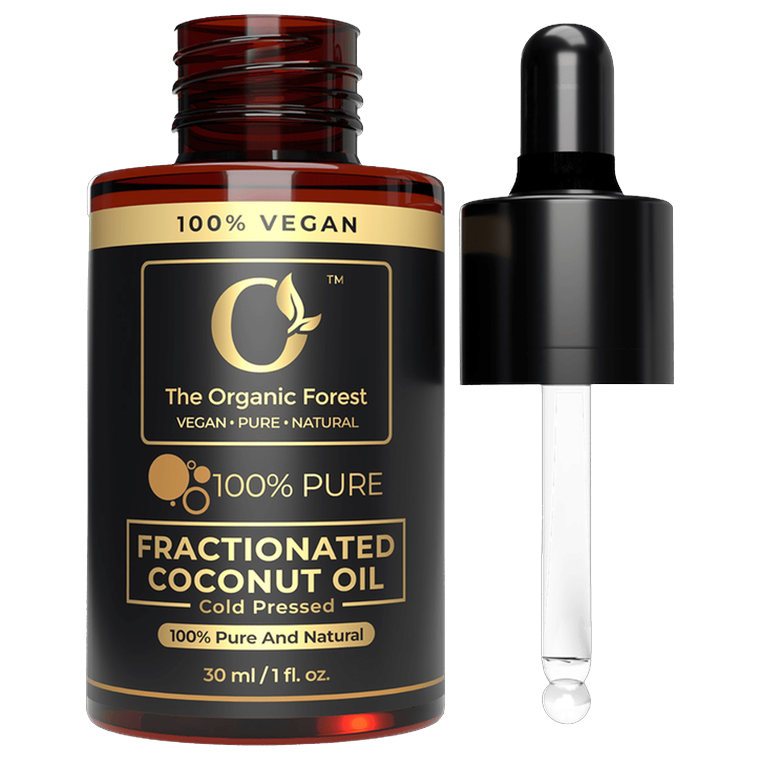
Moderate evidence Single-origin, GC/MS tested, CoA in every box.
Fractionated Coconut Oil carries an overall Moderate grade across the 9 studies linked on this page; the strongest signal is for dry skin.
A single randomized, double-blind crossover trial found that a glycerine-coconut oil (Cocos nucifera) cream improved skin hydration (TEWL, capacitance) and reduced hand dermatitis severity in fabric workers, but was equally effective as glycerin alone, suggesting no added benefit from coconut oil specifically.
“Cocos nucifera and glycerine afterwork moisturizers for secondary prevention of hand dermatitis among fabric worker: a randomized, double-blind, cross over trial”
Read the study on PubMed →A randomized double-blind crossover trial found Cocos nucifera (coconut) oil-glycerin cream and glycerin-only cream equally effective in improving occupational hand dermatitis (reduced TEWL, improved skin capacitance, lower HECSI scores), though the study did not isolate coconut oil's independent effect. A separate ethnobotanical survey lists coconut (Cocos nucifera) among traditional Nigerian remedies used for eczema, but provides no controlled clinical data.
“Cocos nucifera and glycerine afterwork moisturizers for secondary prevention of hand dermatitis among fabric worker: a randomized, double-blind, cross over trial”
Read the study on PubMed →One computational/in-vitro study references a squalene analog (4,4'-diapophytofluene) derived from Cocos nucifera leaves (not fractionated coconut oil itself) showing anti-senescence effects in cell lines and molecular docking, but no clinical trials on fractionated coconut oil for skin aging/wrinkles were found; the second retrieved study is unrelated (coconut shell mechanical properties).
“Computational exploration of squalene analog 4,4'diapophytofluene as a potential anti-aging phytotherapeutic”
Read the study on PubMed →A small animal study (rats) found coconut oil improved burn wound contraction and epithelialization, especially combined with silver sulphadiazine, and a broader review of vegetable oils in skin wound healing includes coconut oil among those with supportive in vitro/in vivo evidence, but no human clinical trials specifically on fractionated coconut oil for burns were found.
“Burn wound healing property of Cocos nucifera: An appraisal”
Read the study on PubMed →The single relevant study evaluated a pyrolysis-derived bio-oil aqueous phase from coconut biomass (not fractionated coconut carrier oil as typically used in aromatherapy) against Candida auris in vitro, showing some antifungal activity but less potent than licuri-derived bio-oil.
“Antifungal efficacy of pyrolysis-derived bio-oil aqueous phases from Tropical plant biomass against Candida auris”
Read the study on PubMed →Studies on Cocos nucifera (coconut) husk fiber aqueous extract, not fractionated coconut oil itself, show anti-inflammatory effects in animal models (reduced paw licking, cell migration, and TNF-alpha production) and antimicrobial/antioxidant activity in vitro; no studies used fractionated coconut oil specifically or tested in human joint inflammation.
“Anti-inflammatory, antioxidant, and antimicrobial activities of Cocos nucifera var. typica”
Read the study on PubMed →Available evidence pertains to virgin (not fractionated) coconut oil and shows animal-model analgesic and anti-inflammatory effects (e.g., reduced writhing response, edema), with no direct clinical studies on fractionated coconut oil for muscle pain in humans.
“Anti-inflammatory, analgesic, and antipyretic activities of virgin coconut oil”
Read the study on PubMed →One ethnobotanical survey lists Cocos nucifera (coconut) among traditional Nigerian plants used in dermatologic/herbal remedies but explicitly notes alopecia was NOT improved by such herbal treatments; a separate in-vitro study screening plant extracts on dermal papilla cells included Cocos nucifera L. among 10 tested plants but found only Acanthus ebracteatus (not coconut) showed anti-hair-loss activity. No evidence specifically supports fractionated coconut oil for hair loss/thinning.
“Some Nigerian plants of dermatologic importance”
Read the study on PubMed →The single relevant article is a general review of Nigerian traditional dermatologic plants (including Cocos nucifera, coconut) noting post-inflammatory hyperpigmentation as a reason for clinic visits, but it does not provide any clinical data, trials, or specific evidence that fractionated coconut oil treats hyperpigmentation.
“Some Nigerian plants of dermatologic importance”
Read the study on PubMed →Study counts reflect our internal research database. Figures are honest tallies, not marketing claims; every linked study opens on PubMed.