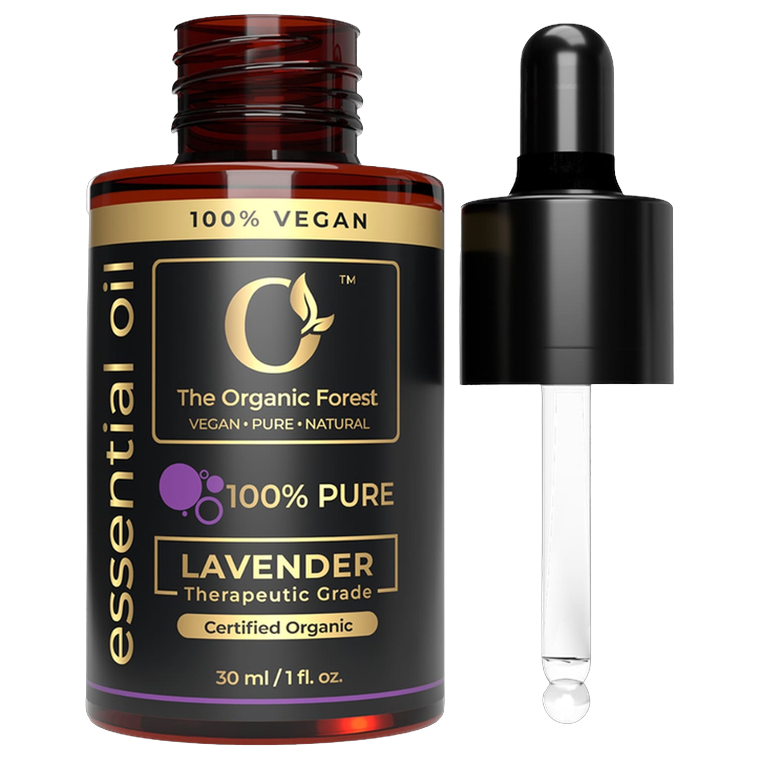
Moderate evidence Single-origin, GC/MS tested, CoA in every box.
Lavender Oil carries an overall Moderate grade across the 10 studies linked on this page; the strongest signal is for anxiety/stress.
A quality improvement project (N=30) found statistically significant reductions in anxiety (p<0.001) and stress (p<0.001) using a blended aromatherapy intervention that included lavender in oncology patients; a broader review also supports essential oils, including lavender, as adjuncts for stress and anxiety management. However, the clinical trial used a blend (lavender, orange, peppermint), making it impossible to attribute effects to lavender alone, and the study lacked a control group.
“Using Blended Aromatherapy for Anxiety and Stress Management in Patients Receiving Oncology Care”
Read the study on PubMed →Small controlled studies show lavender aromatherapy can improve sleep quality, time to fall asleep, and insomnia severity in college students and elderly populations. Evidence comes from limited controlled trials with small sample sizes rather than large-scale RCTs.
“[Effects of lavender aromatherapy on insomnia and depression in women college students]”
Read the study on PubMed →Only one review article mentions lavender essential oil among several oils with potential anti-inflammatory, antioxidant, and antimicrobial properties for acne treatment. No specific clinical trials or controlled studies were found testing lavender oil specifically for acne.
“Emerging Insights into the Applicability of Essential Oils in the Management of Acne Vulgaris”
Read the study on PubMed →A 2023 scoping review found only limited evidence for lavender's wound healing properties, noting that few studies have evaluated this specific application. The review primarily identified efficacy for pain relief and anxiety reduction, but wound healing was mentioned as an understudied area.
“Use of Lavandula angustifolia essential oil as a complementary therapy in adult health care: A scoping review”
Read the study on PubMed →One small RCT (40 participants) found that a combination of lavender with other essential oils improved skin hydration and barrier function over 90 days. However, lavender was tested only as part of a multi-oil blend, making it impossible to isolate its specific effects on dry skin.
“Safety and efficacy of combined essential oils for the skin barrier properties: In vitro, ex vivo and clinical studies”
Read the study on PubMed →Limited in vitro evidence shows lavender essential oil demonstrates antifungal activity against Candida albicans, but no clinical trials have tested lavender oil for treating fungal infections in humans.
“Chemical Profile, Antioxidant Capacity, and Antimicrobial Activity of Essential Oils Extracted from Three Different Varieties (Moldoveanca 4, Vis Magic 10, and Alba 7) of Lavandula angustifolia”
Read the study on PubMed →One small RCT (n=90) found lavender aromatherapy reduced nitroglycerin-induced headaches in coronary artery disease patients, but this represents very limited evidence for general headache/migraine treatment.
“Compare the Effect of Aromatherapy with Lavender and Valerian Essential Oil on Headache Caused by Nitroglycerin Infusion, Vital Signs, and Narcotic Use in Patients with Coronary Artery Disease: A Three-Blind, Randomized Controlled Trial”
Read the study on PubMed →One in-vitro study using network pharmacology and cell culture models found that a specific "Taikong Blue" lavender essential oil reduced inflammatory markers and oxidative stress in skin cells, with hyperpigmentation mentioned as a traditionally treated condition but not directly tested.
“Unveiling the Therapeutic Potential of "Taikong Blue" Lavender Essential Oil and Its Key Compounds in Skin Problems via Network Pharmacology and In Vitro Validation”
Read the study on PubMed →Limited evidence suggests lavender components may have analgesic properties through TRPV1 receptor inhibition in animal models, with one small human pilot study showing reduced post-procedural pain during wound dressing changes.
“Analgesic effects of linalyl acetate via nociceptive TRPV1 inhibition in mice”
Read the study on PubMed →Only one review article mentions lavender oil as a natural alternative for androgenetic alopecia treatment, but provides no clinical trial data or specific evidence for lavender's efficacy in hair loss.
“An Overview of Commonly Used Natural Alternatives for the Treatment of Androgenetic Alopecia, with Special Emphasis on Rosemary Oil”
Read the study on PubMed →Study counts reflect our internal research database. Figures are honest tallies, not marketing claims; every linked study opens on PubMed.