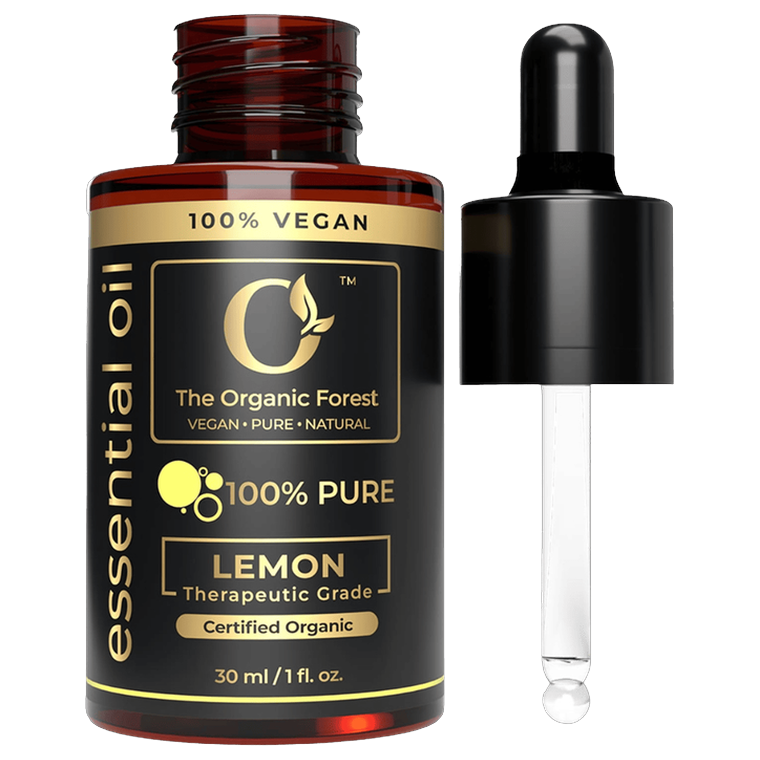
Lemon Oil carries an overall Early grade across the 11 studies linked on this page; the strongest signal is for anxiety/stress.
The available evidence is preclinical only: a rat study (PMID 25227172) found Citrus limon produced anxiolytic-like effects at moderate doses in the open field and elevated plus maze tests, while a second rat study (PMID 32867662) showed lemon peel extract had anticonvulsant and antioxidant effects. No human RCTs, clinical trials, or systematic reviews for lemon and anxiety/stress were identified in the provided results.
“Behavioral effects of Citrus limon in rats”
Read the study on PubMed →The single retrieved article is a broad non-systematic review of herbal biomedicines for skin disorders that mentions wound healing generally (citing birch bark and onion, not lemon) and lemon balm (Melissa) for herpes simplex, but does not provide direct evidence for Lemon (Citrus limon) oil in burns or wound healing.
“New Herbal Biomedicines for the Topical Treatment of Dermatological Disorders”
Read the study on PubMed →One study of supercritical CO2-extracted lemon peel oil showed antioxidant, antimicrobial, and anti-collagenase/elastase activity in HaCaT keratinocytes, with preliminary (non-controlled) clinical observations of improved skin hydration and elasticity.
“Upcycling lemon peel waste into sustainable bioactive ingredients: chemical characterization and efficacy assessment”
Read the study on PubMed →Available evidence for lemon essential oil against fungal pathogens is limited to in-vitro antimicrobial studies showing modest inhibitory activity against fungi like Aspergillus and Candida, with no human clinical trials identified.
“Chemical composition, antioxidant and antimicrobial activity of essential oils from tangerine (Citrus reticulata L.), grapefruit (Citrus paradisi L.), lemon (Citrus lemon L.) and cinnamon (Cinnamomum zeylanicum Blume)”
Read the study on PubMed →Only one in-vitro study was found examining lemon-derived exosome-like vesicles (LELVs) in stem cell chondrogenesis, which showed LELVs actually downregulated chondrocyte marker expression, unlike tomato-derived vesicles; no clinical or animal studies on lemon oil for joint inflammation exist.
“Effect of Solanum lycopersicum and Citrus limon-Derived Exosome-Like Vesicles on Chondrogenic Differentiation of Adipose-Derived Stem Cells”
Read the study on PubMed →One small pilot RCT found lemon odor did not significantly reduce pain during wound dressing changes (unlike lavender), while a separate mouse study on a lemon flavonoid (eriocitrin) showed antinociceptive effects unrelated to muscle pain specifically or aromatherapy use.
“The analgesic effect of odour and music upon dressing change”
Read the study on PubMed →The single retrieved reference is a general review of herbal treatments for various dermatological disorders that does not specifically evaluate lemon oil for rash or contact dermatitis; lemon oil is not mentioned in this review's discussion of skin conditions. No clinical studies specifically testing lemon essential oil for rash or contact dermatitis were found.
“New Herbal Biomedicines for the Topical Treatment of Dermatological Disorders”
Read the study on PubMed →The single retrieved study on Lemon essential oil examined anti-inflammatory and gastroprotective effects in mouse models and referenced traditional sedative use, but did not directly test sleep or insomnia outcomes; no clinical trials on lemon oil for sleep were found.
“Evaluation of Anti-Inflammatory Activity of Citrus latifolia Tanaka Essential Oil and Limonene in Experimental Mouse Models”
Read the study on PubMed →Lemon oil appears only as a fragrance additive in a sea buckthorn anti-sebum formulation study (not tested independently for acne) and is not even mentioned as an active ingredient in a broader review of herbal treatments for acne vulgaris, which instead cites tea tree oil, green tea, and hop.
“Formulation and evaluation of antisebum secretion effects of sea buckthorn w/o emulsion”
Read the study on PubMed →Lemon oil is mentioned only in passing as one of many plant extracts historically used for anti-aging skin applications in a review focused on green tea, and a separate formulation study on lemon oil emulgels does not address anti-aging efficacy in humans; no clinical studies specifically test lemon oil for wrinkles or skin aging.
“Green tea and the skin”
Read the study on PubMed →The only retrieved study is an ethnobotanical survey of Kerman province, Iran, which notes that Citrus limon (lemon) is traditionally used for ocular diseases, not eczema; eczema use was reported for other plants (Calotropis procera, Clematis ispahanica, Euphorbia spp.), not lemon.
“Ethnobotany of the medicinal plants used by the ethnic communities of Kerman province, Southeast Iran”
Read the study on PubMed →Study counts reflect our internal research database. Figures are honest tallies, not marketing claims; every linked study opens on PubMed.