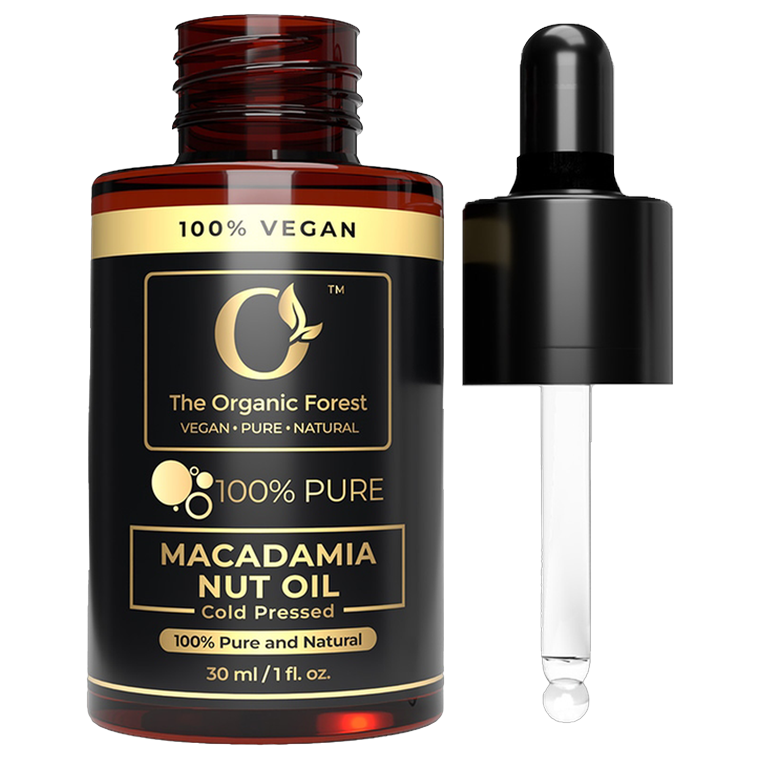
Early evidence Single-origin, GC/MS tested, CoA in every box.
Macadamia Oil carries an overall Early grade across the 4 studies linked on this page; the strongest signal is for burns/wound healing.
One animal study (rat model) evaluated a multi-oil blend (including macadamia, flaxseed, sunflower, olive, blackcurrant, and rose hip oils) and found improved wound closure, re-epithelialization, and collagen deposition versus vehicle control; however, the effect cannot be attributed to macadamia oil specifically since it was one of six oils in the formulation.
“Development and evaluation of a vegetable oil blend formulation for cutaneous wound healing”
Read the study on PubMed →Only one identified study used macadamia seed oil indirectly, as a fermentation substrate to produce sophorolipids in a complex multi-ingredient formulation tested for skin hydration and barrier function; macadamia oil itself was not tested as an isolated ingredient for dry skin.
“A novel sophorolipids extraction method by yeast fermentation process for enhanced skin efficacy”
Read the study on PubMed →One in-vitro study found macadamia oil showed no antimicrobial/antifungal activity against Candida albicans even at the highest tested concentration (2% v/v), while a separate genetics study identified an antimicrobial peptide (MiAMP1) from macadamia plant tissue (not the oil) with antifungal activity in yeast models.
“Antimicrobial activity of essential oils and other plant extracts”
Read the study on PubMed →A single letter/case report describes a topical cream containing macadamia oil (with cannabis and rose components) as a potential adjunct or alternative to topical steroids for inflammatory skin conditions including psoriasis, but this does not constitute rigorous clinical evidence.
“A successful topical treatment for cutaneous inflammatory diseases:an additional or alternative therapy to topical steroids”
Read the study on PubMed →Study counts reflect our internal research database. Figures are honest tallies, not marketing claims; every linked study opens on PubMed.