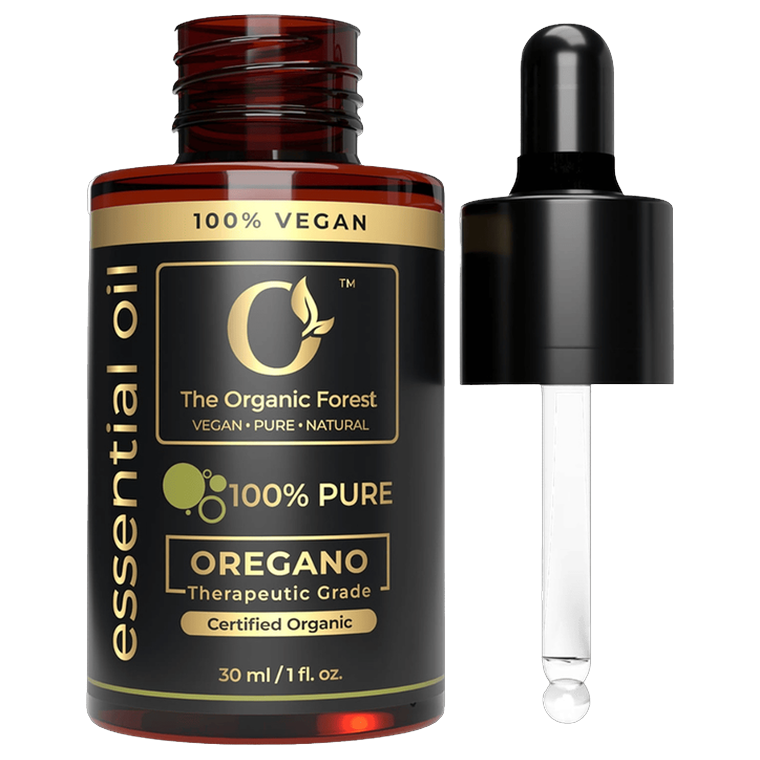
Early evidence Single-origin, GC/MS tested, CoA in every box.
Oregano Oil carries an overall Early grade across the 12 studies linked on this page; the strongest signal is for acne.
The only relevant result is a narrative review noting oregano essential oil has in-vitro antimicrobial, anti-inflammatory, and antioxidant properties potentially relevant to acne pathogenesis, but no clinical trials in humans specifically testing oregano oil for acne were found.
“Emerging Insights into the Applicability of Essential Oils in the Management of Acne Vulgaris”
Read the study on PubMed →One in-vitro study found Origanum vulgare essential oil (high in carvacrol) inhibited collagenase, elastase, and hyaluronidase enzymes, suggesting potential anti-skin-aging activity, but no human or clinical skin studies exist; the other study is unrelated to skin aging (meat preservation).
“Chemical Compositions and Anti-Skin-Ageing Activities of Origanum vulgare L. Essential Oil from Tropical and Mediterranean Region”
Read the study on PubMed →The only relevant result is an animal (piglet) study examining dietary oregano essential oil's effects on stress/oxidative biomarkers, not human anxiety or stress outcomes; no clinical trials in humans for anxiety/stress were found.
“Effects of Dietary Supplementation of Garlic and Oregano Essential Oil on Biomarkers of Oxidative Status, Stress and Inflammation in Postweaning Piglets”
Read the study on PubMed →Evidence is limited to a single formulation study on an oregano oil emulgel showing antibacterial activity against S. aureus and P. aeruginosa and a lack of skin irritation in a short-term in vivo tolerability test, but no controlled clinical trial evaluating actual wound healing or burn outcomes was found; a cited case report also notes irritant contact dermatitis from oregano oil use.
“Emulgel with Origanum vulgare L. Oil: A New Therapeutic Proposal in Case of Dermal Bacterial Infections”
Read the study on PubMed →The available research shows that oregano (Origanum vulgare) oil has in vitro antifungal activity against Malassezia pachydermatis and can synergize with clotrimazole, but there are no human clinical trials evaluating oregano oil specifically for dandruff.
“Interactions between Clotrimazole and selected essential oils against Malassezia pachydermatis clinical isolates”
Read the study on PubMed →One in-vitro/material-science study found oregano essential oil combined with probiotics in a topical patch inhibited S. aureus and C. acnes growth in lab tests, suggesting potential antipathogenic benefit for eczema complicated by bacterial infection, but no clinical trials in human patients with eczema exist.
“Additive Effects of Natural Plant Extracts/Essential Oils and Probiotics as an Antipathogenic Topical Skin Patch Solution for Acne and Eczema”
Read the study on PubMed →Evidence for oregano oil against fungal infections is primarily limited to in-vitro and ex-vivo studies demonstrating antifungal activity against dermatophytes and Candida species, including a novel nail lacquer formulation showing efficacy against onychomycosis-causing fungi in an ex-vivo nail model; no human clinical trials (RCTs) were identified.
“Nail Lacquer Containing Origanum vulgare and Rosmarinus officinalis Essential Oils and Biogenic Silver Nanoparticles for Onychomycosis: Development, Characterization, and Evaluation of Antifungal Efficacy”
Read the study on PubMed →A single study isolated origanoside, a phenolic glucoside from Origanum vulgare (oregano), and found it inhibited tyrosinase and melanogenesis-related proteins in vitro (B16 melanoma cells) and reduced pigmentation in a mouse skin model.
“Inhibition of melanogensis by a novel origanoside from Origanum vulgare”
Read the study on PubMed →Direct evidence for oregano treating joint inflammation is essentially absent; one in-vitro study on adrenocortical cancer cell lines only mentions traditional use for rheumatoid arthritis in passing, and no clinical trials on joint inflammation were found.
“Crude extract of Origanum vulgare L. induced cell death and suppressed MAPK and PI3/Akt signaling pathways in SW13 and H295R cell lines”
Read the study on PubMed →The only relevant study found is a murine (animal) experiment testing a combined viper venom/oregano essential oil ointment for inflammatory pain, showing reduced pain and edema via cannabinoid/opioid receptor mechanisms; no human clinical trials on oregano oil for muscle pain were identified.
“The analgesic and anti-inflammatory effects of a combined preparation based on the blunt-nosed viper's venom and oregano essential oil”
Read the study on PubMed →Animal research shows carvacrol (a major oregano oil constituent) has anxiolytic effects via GABAergic transmission but explicitly did NOT alter sleep latency or sleeping time in barbiturate-induced sleep tests; a review of Origanum species mentions traditional use for insomnia without supporting clinical data.
“Anxiolytic-like effect of Carvacrol (5-isopropyl-2-methylphenol) in mice: involvement with GABAergic transmission”
Read the study on PubMed →A single narrative review mentions headache among many traditional uses of Origanum (oregano) species, but no clinical trials or direct research on oregano for headache/migraine were found.
“Phytochemical constituents, biological activities, and health-promoting effects of the genus Origanum”
Read the study on PubMed →Study counts reflect our internal research database. Figures are honest tallies, not marketing claims; every linked study opens on PubMed.