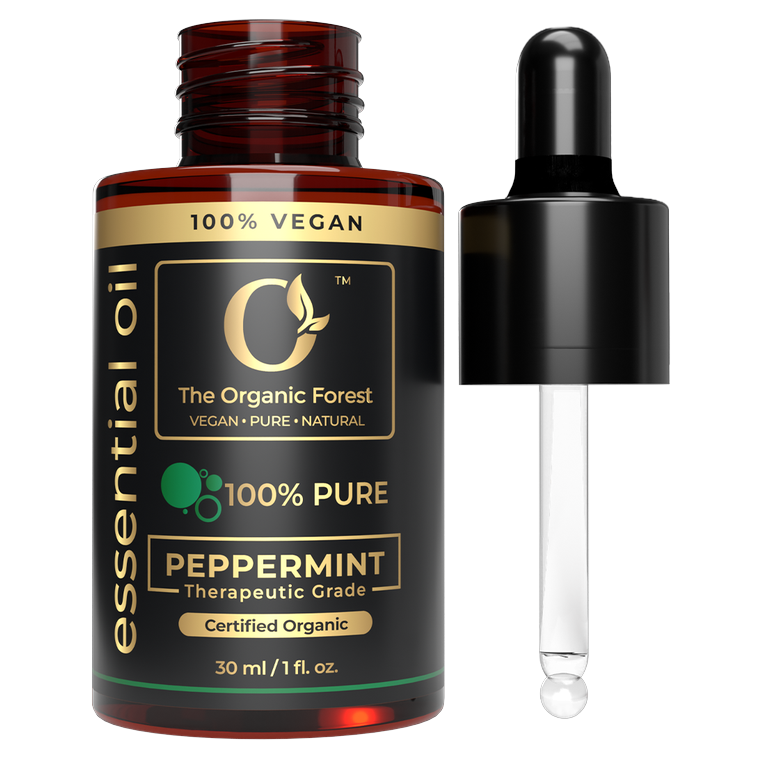
Moderate evidence Cooling and high in menthol — a few drops wake up a tired scalp and tight temples.
Peppermint Essential Oil carries an overall Moderate evidence grade across 18 studies we have read; the strongest signal is for headache.
A systematic review and a controlled trial give moderate evidence that menthol can ease tension headache.
Read the study on PubMed →In a mouse study, 3% peppermint oil grew hair more effectively than minoxidil — striking, but animal-only.
Read the study on PubMed →Lab studies show peppermint and menthol have antifungal activity.
Read the study on PubMed →A controlled trial suggests peppermint aroma may ease physiological stress.
Read the study on PubMed →A controlled study found peppermint leaf extract improved dermal thickness.
Read the study on PubMed →An animal study with peppermint + rosemary reduced osteoarthritis pain.
Read the study on PubMed →Study counts reflect our internal research database. Figures are honest tallies, not marketing claims; every linked study opens on PubMed.