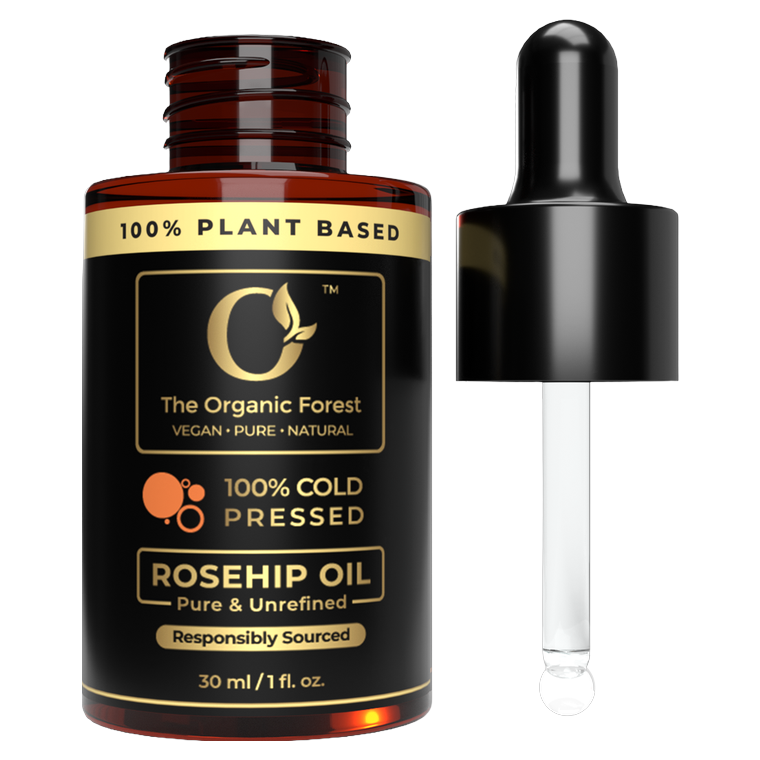
Moderate evidence Single-origin rosehip seed oil — light, fast-absorbing, prized for skin renewal and tone. GC/MS tested, with a Certificate of Analysis in every box.
Rosehip Oil carries an overall Moderate grade across the 11 studies linked on this page; the strongest signal is for joint inflammation.
Mixed evidence from randomized controlled trials shows rosehip powder may provide modest benefits for rheumatoid arthritis symptoms in one study, but another study found no anti-inflammatory effects. The evidence suggests potential but inconsistent benefits for joint inflammation.
“Rose hip herbal remedy in patients with rheumatoid arthritis - a randomised controlled trial”
Read the study on PubMed →One randomized controlled trial found that a cream containing rosehip oil (plus other active ingredients) significantly reduced stretch mark severity and prevented new stretch marks in pregnant women compared to placebo. However, the effect cannot be attributed specifically to rosehip oil since it was part of a multi-ingredient formulation.
“Use of a specific anti-stretch mark cream for preventing or reducing the severity of striae gravidarum. Randomized, double-blind, controlled trial”
Read the study on PubMed →Limited evidence shows rosehip oil in combination formulations demonstrated antimicrobial activity against acne-related bacteria in laboratory studies, but no clinical trials have directly tested rosehip oil alone for acne treatment.
“Evaluation of a Retinol Nanoemulsion Gel Enriched with Black Seed and Rosehip Oils for Acne Management”
Read the study on PubMed →One comprehensive review suggests rosehip extracts may have anti-aging and skin benefits due to high vitamin C content and antioxidant properties, but lacks specific clinical trial data for aging/wrinkles.
“Unveiling the mechanisms for the development of rosehip-based dermatological products: an updated review”
Read the study on PubMed →Limited evidence suggests rosehip oil may improve wound healing and postsurgical scars through anti-inflammatory mechanisms, but reviewers conclude there is insufficient evidence to recommend its use for wound treatment. Only two human clinical trials have been conducted with rosehip oil for wound/burn healing applications.
“Rosehip extract and wound healing: A review”
Read the study on PubMed →One study examined rosehip oil in nanostructured lipid carriers that demonstrated up to 74% skin hydration improvement in pre-clinical testing. The second study only analyzed fatty acid composition in soaps containing rosehip without evaluating therapeutic effects for dry skin.
“Synergism of plant extract and vegetable oils-based lipid nanocarriers: Emerging trends in development of advanced cosmetic prototype products”
Read the study on PubMed →One animal study found that topical rosehip extract cream significantly reduced eczema symptoms (inflammation, redness, dryness, epidermal thickness) in DNCB-induced eczema mice, showing efficacy comparable to betamethasone cream. However, this is limited to preclinical evidence with no human clinical trials available.
“Investigating the effect of a herbal cream containing rose essence in an animal model of eczema”
Read the study on PubMed →Limited in-vitro evidence shows Rosa canina extracts and rosa-mediated silver nanoparticles demonstrate antifungal activity against Candida albicans, but no clinical trials have tested rosehip for treating fungal infections in humans.
“In vitro anti-mycotic activity of some medicinal plants containing flavonoids”
Read the study on PubMed →One animal study in mice showed rosehip seed oil promoted hair growth by stimulating follicle transition from resting to growth phase and upregulating hair growth-related genes. No human clinical trials have been conducted to confirm these effects in people with hair loss.
“Hair Growth-Promoting Effects of Rosehip (Rosa canina L.) Seed Oil in C57BL/6 Mice”
Read the study on PubMed →One small RCT showed a rosehip combination product reduced knee arthritis pain, but rosehip was combined with other herbs making individual contribution unclear. A review discusses Rosa genus potential for arthritis but provides no direct evidence for muscle pain specifically.
“A Rosa canina - Urtica dioica - Harpagophytum procumbens/zeyheri Combination Significantly Reduces Gonarthritis Symptoms in a Randomized, Placebo-Controlled Double-Blind Study”
Read the study on PubMed →One comprehensive review mentions rosehip's potential for treating hyperpigmentation based on its high vitamin C content and traditional use, but no clinical trials specifically testing rosehip for hyperpigmentation were found.
“Unveiling the mechanisms for the development of rosehip-based dermatological products: an updated review”
Read the study on PubMed →Study counts reflect our internal research database. Figures are honest tallies, not marketing claims; every linked study opens on PubMed.