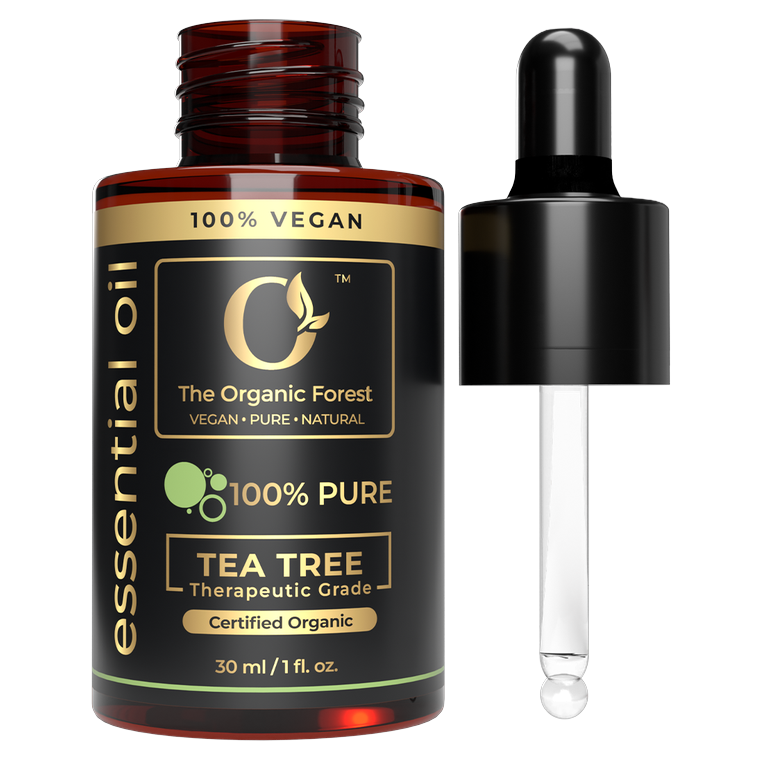
Moderate evidence Single-origin tea tree oil — GC/MS tested, with a Certificate of Analysis in every box. Renowned in Australia for clarifying skin.
Tea Tree Oil carries an overall Moderate grade across the 11 studies linked on this page; the strongest signal is for acne.
Tea tree oil demonstrates antimicrobial and anti-inflammatory activity against acne-causing bacteria (Cutibacterium acnes), with at least one RCT comparing a TTO nanoemulsion gel to adapalene and another double-blind study comparing TTO combination with erythromycin cream showing positive outcomes. Reviews confirm biological plausibility and some clinical efficacy, though evidence base remains limited in scale and methodological rigor.
“Essential Oils in the Treatment of Various Types of Acne-A Review”
Read the study on PubMed →One RCT found tea tree oil-containing products less effective than tap water for burn cooling but still provided some pain relief. Additional research shows tea tree oil can be formulated into antibacterial wound dressing patches with promising in-vitro results.
“Comparison of three cooling methods for burn patients: A randomized clinical trial”
Read the study on PubMed →Tea tree oil shows potential for treating dandruff-related conditions through antifungal activity against Malassezia furfur and treatment of Demodex-associated blepharitis with cylindrical dandruff. Evidence is limited to case studies and in vitro antifungal testing rather than controlled trials for scalp dandruff specifically.
“In vivo evaluation of ocular demodicosis using laser scanning confocal microscopy”
Read the study on PubMed →In vitro laboratory studies show tea tree oil can reduce Candida albicans growth on denture materials, with enhanced effects when combined with neem extract. However, no human clinical trials have been conducted to confirm effectiveness for treating fungal infections in patients.
“Individual and Synergistic Effects of Tea Tree Oil and Neem Extract on Candida albicans Adhesion to Denture Soft Liner”
Read the study on PubMed →Only one narrative review mentions tea tree oil among several natural alternatives for androgenetic alopecia, but provides no specific clinical data or evidence for tea tree oil's efficacy in treating hair loss.
“An Overview of Commonly Used Natural Alternatives for the Treatment of Androgenetic Alopecia, with Special Emphasis on Rosemary Oil”
Read the study on PubMed →One review article mentions hyperpigmentation as a consequence of acne lesions and discusses tea tree oil's properties for acne treatment, but provides no direct evidence for tea tree oil treating hyperpigmentation specifically.
“Tea Tree Oil: Properties and the Therapeutic Approach to Acne-A Review”
Read the study on PubMed →Only one formulation study was found that developed a tea tree oil-enhanced topical gel containing diclofenac and curcumin for rheumatoid arthritis, showing improved drug permeation in vitro compared to conventional gel. No clinical trials or human studies directly testing tea tree oil for joint inflammation were identified.
“QbD Approach for the Development of Tea Tree Oil-Enhanced Microemulgel Loaded with Curcumin and Diclofenac for Rheumatoid Arthritis Treatment”
Read the study on PubMed →A systematic review and meta-analysis of complementary and alternative medicine treatments found insufficient evidence to support the efficacy of CAM treatments including tea tree oil for psoriasis, with wide confidence intervals indicating inconclusive results.
“Complementary and alternative medicine treatments for common skin diseases: A systematic review and meta-analysis”
Read the study on PubMed →Tea tree oil shows in vitro antifungal activity against Malassezia furfur, a fungus associated with scalp conditions like seborrheic dermatitis, but no direct clinical trials on scalp irritation were found. The evidence is limited to laboratory studies and review mentions without controlled human trials.
“Antifungal activity of the essential oil of Melaleuca alternifolia (tea tree oil) against pathogenic fungi in vitro”
Read the study on PubMed →Limited evidence shows tea tree oil may have some sleep benefits, with one RCT finding it less effective than lavender for sleep quality in cancer patients, and one cosmetic study suggesting a specialized fraction may improve sleep through melatonin pathways.
“Aromatherapy: The Effect of Lavender on Anxiety and Sleep Quality in Patients Treated With Chemotherapy”
Read the study on PubMed →Tea tree oil is only mentioned in general reviews of complementary therapies for rosacea without any specific clinical evidence supporting its use for this condition.
“A Biologically Based Approach to Acne and Rosacea”
Read the study on PubMed →Study counts reflect our internal research database. Figures are honest tallies, not marketing claims; every linked study opens on PubMed.