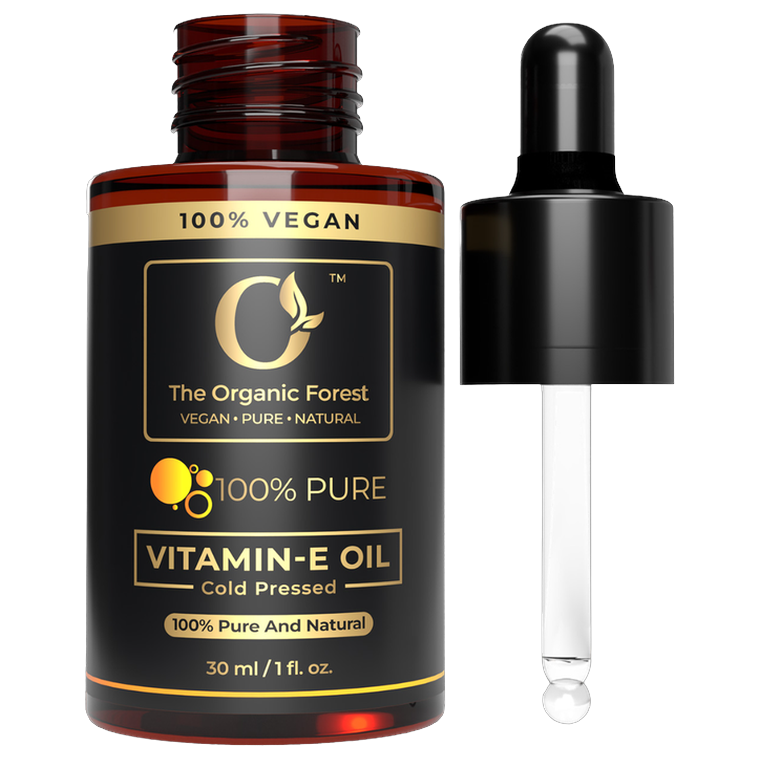
Early evidence Single-origin, GC/MS tested, CoA in every box.
Vitamin E Oil carries an overall Early grade across the 15 studies linked on this page; the strongest signal is for acne.
Limited evidence shows vitamin E derivatives may help with post-acne scarring and hyperpigmentation, but conventional acne treatments can deplete skin vitamin E levels.
“Split-face comparative clinical trial using glyceryl-octyl-ascorbic acid/ascorbyl 2-phosphate 6-palmitate/DL-α-tocopherol phosphate complex treatment for postinflammatory hyperpigmentation, postinflammatory erythema and atrophic scar in acne vulgaris”
Read the study on PubMed →Limited evidence suggests vitamin E may have photoprotective effects against skin aging through antioxidant mechanisms, but clinical efficacy for treating wrinkles remains unestablished. One cross-sectional study found associations between alpha-tocopherol levels and cognitive function in aging, but direct evidence for topical anti-aging benefits is lacking.
“Systemic photoprotection with alpha-tocopherol (vitamin E) and beta-carotene”
Read the study on PubMed →Limited evidence shows vitamin E (alpha-tocopherol) may support wound healing when combined with other compounds in experimental settings, but no direct clinical trials exist for vitamin E alone treating burns or wounds.
“Synergistic effect of chitosan-alginate composite hydrogel enriched with ascorbic acid and alpha-tocopherol under hypoxic conditions on the behavior of mesenchymal stem cells for wound healing”
Read the study on PubMed →One pharmaceutical stability study examined a vitamin E-vitamin C compound formulated in hair products to prevent dandruff and itching, but focused on chemical stability rather than clinical efficacy for dandruff treatment.
“[Stability studies on L-ascorbic acid dl-alpha-tocopherol phosphoric acid diester potassium salt (EPC-K)]”
Read the study on PubMed →Limited evidence shows vitamin E (alpha-tocopherol) has antioxidant and moisturizing properties in topical formulations, but studies focus on formulation characteristics rather than clinical efficacy for dry skin treatment.
“Lactobionic acid as antioxidant and moisturizing active in alkyl polyglucoside-based topical emulsions: the colloidal structure, stability and efficacy evaluation”
Read the study on PubMed →A systematic review of complementary medicine for atopic eczema found only a single small study suggesting benefit from vitamin E, with authors stating results must be confirmed by future studies. Meanwhile, a published case report documents allergic contact dermatitis caused by tocopheryl acetate (vitamin E) itself, making the evidence base both sparse and mixed.
“Complementary and alternative medicine (CAM) and atopic eczema”
Read the study on PubMed →Limited in-vitro evidence shows vitamin E (alpha-tocopherol) used as a reference antioxidant in studies testing eucalyptus oil against Candida albicans and Aspergillus flavus, and as a component in experimental miniemulsions that enhanced phagocytic activity against Candida albicans.
“Chemical composition and bioactivity of the volatile oil from leaves and stems of Eucalyptus cinerea”
Read the study on PubMed →Limited evidence suggests vitamin E derivatives may help reduce hyperpigmentation through melanogenesis inhibition and antioxidant effects, but studies are small and primarily use vitamin E compounds rather than pure vitamin E oil.
“The inhibitory effect of DL-alpha-tocopheryl ferulate in lecithin on melanogenesis”
Read the study on PubMed →Limited evidence shows vitamin E may have anti-inflammatory properties through antioxidant mechanisms, with one study finding correlations between vitamin E levels and inflammatory markers in rheumatoid arthritis patients. However, no controlled trials specifically tested vitamin E supplementation for joint inflammation treatment.
“Correlation of fatty acid composition of adipose tissue lipids and serum phosphatidylcholine and serum concentrations of micronutrients with disease duration in rheumatoid arthritis”
Read the study on PubMed →One small 1978 RCT found vitamin E (600mg/day) provided significant pain relief in 52% of osteoarthritis patients versus 4% with placebo, but this single old study with 29 participants provides limited evidence. A 2018 pilot study reported reduced muscle pain as a secondary outcome in a multivitamin supplement containing vitamin E, but cannot isolate vitamin E's specific effects.
“Tocopherol in Osteoarthritis: a controlled pilot study”
Read the study on PubMed →Only one study examined vitamin E for psoriasis, using it as a carrier oil in a nanoemulgel formulation with resveratrol, showing enhanced skin penetration in laboratory testing but no clinical trials in patients.
“FbD Supported Development and In Vitro Evaluation of Carbomer based Resveratrol Loaded Topical Antipsoriatic Nanoemulgel for its Targeted Skin Delivery”
Read the study on PubMed →One review article mentions vitamin E (alpha-tocopherol) as part of the skin's natural antioxidant defense system that helps protect against oxidative damage that can lead to skin irritation. However, no direct clinical studies were found specifically testing vitamin E for treating scalp irritation.
“Surface lipids as multifunctional mediators of skin responses to environmental stimuli”
Read the study on PubMed →Limited evidence shows vitamin E levels correlate with fatigue from sleep deprivation and oxidative stress markers in postmenopausal women with sleep disturbances, but no direct intervention studies demonstrate vitamin E supplementation improves sleep or insomnia.
“Oxidative stress is involved in fatigue induced by overnight deskwork as assessed by increase in plasma tocopherylhydroqinone and hydroxycholesterol”
Read the study on PubMed →The only positive clinical evidence comes from a single small double-blind trial (n=80) of a combination cream containing vitamin E plus Centella asiatica and collagen-elastin hydrolysates, which reduced stretch mark development in pregnancy (34% vs 56% placebo); however, a Cochrane systematic review of this same trial concluded benefit was limited to women with pre-existing stretch marks and found no evidence supporting general use. No trials tested vitamin E alone, so the effect cannot be attributed to vitamin E specifically.
“Creams for preventing stretch marks in pregnancy”
Read the study on PubMed →One small open-label study of 57 Japanese adults found that a topical gel containing vitamin E (along with phytonadione, retinol, and vitamin C) was moderately effective in reducing under-eye dark circles, particularly those caused by vascular issues, but had minimal effect on pigmentation.
“The effects of topical application of phytonadione, retinol and vitamins C and E on infraorbital dark circles and wrinkles of the lower eyelids”
Read the study on PubMed →Study counts reflect our internal research database. Figures are honest tallies, not marketing claims; every linked study opens on PubMed.