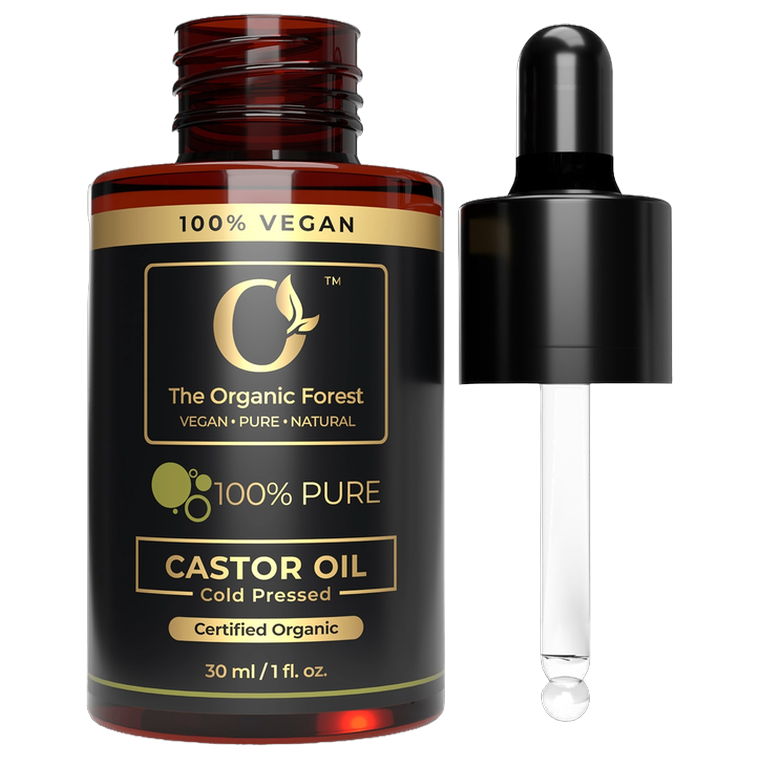
Early evidence Castor Oil (Ricinus communis). 100% pure, single-ingredient, vegan. Traditionally used for hair shine, skin moisture and soothing massage. GC/MS tested, CoA in every box.
Castor Oil carries an overall Early grade across the 9 studies linked on this page; the strongest signal is for burns/wound healing.
Limited evidence shows castor oil can be incorporated into wound dressing materials with antibacterial properties, and has been used clinically for surgical wound dehiscence, but lacks rigorous controlled trials.
“Preparation and characterization of novel antibacterial castor oil-based polyurethane membranes for wound dressing application”
Read the study on PubMed →One small RCT (26 participants) showed castor oil reduced cylindrical dandruff in blepharitis patients, and an ex vivo study confirmed castor oil kills Demodex mites that cause dandruff-like symptoms on eyelashes.
“Randomized trial of topical periocular castor oil treatment for blepharitis”
Read the study on PubMed →One small cosmetic study from 1991 found that a quaternary ammonium salt derived from castor oil showed subjective improvement in moisturizing lotion application and some positive viscoelastic skin measurements, though no difference was found in sebum levels or transepidermal water loss.
“Novel quaternary ammonium salts derived from triglycerides and their application in skin and hair products”
Read the study on PubMed →One in-vitro study showed that castor plant (Ricinus communis) extracts had antifungal activity against Candida albicans with MIC values of 2.34-4.69 mg/mL, and demonstrated synergistic effects when combined with other plant extracts.
“Combination therapy: synergism among three plant extracts against selected pathogens”
Read the study on PubMed →One small single-arm clinical trial of 22 patients showed castor oil cream reduced infraorbital hyperpigmentation after 2 months of treatment. Traditional use in Nigerian herbal medicine is documented, but post-inflammatory hyperpigmentation was noted as a reason for consultation after herbal treatments.
“Efficacy of castor oil cream in treating infraorbital hyperpigmentation: An exploratory single-arm clinical trial”
Read the study on PubMed →Limited evidence shows castor oil as a vehicle component in topical psoriasis formulations, with one study demonstrating effective drug delivery in an oleogel formulation, but no direct evidence of castor oil itself treating psoriasis.
“Development of a film-forming oleogel with increased substantivity for the treatment of psoriasis”
Read the study on PubMed →Castor oil (Ricinus communis) is mentioned in traditional medicine surveys for treating eczema, but no clinical trials or controlled studies specifically testing castor oil for eczema were found.
“Some Nigerian plants of dermatologic importance”
Read the study on PubMed →The only relevant study identified is a narrative review (PMID 29084706) documenting traditional ethnomedicinal use of Ricinus communis (castor) for arthritis, rheumatism, and muscle aches, and citing preclinical reports of anti-inflammatory activity; no human clinical trials for joint inflammation were found. The second visible result (PMID 35903446) is irrelevant to this pair, as castor oil was used only as a diarrhea-inducing agent in an experiment on a different plant.
“Review - Ricinus cmmunis - Ethnomedicinal uses and pharmacological activities”
Read the study on PubMed →A single ethnomedicinal review of Ricinus communis (castor plant) documents traditional use for 'sleeplessness and insomnia' among many other folk applications, but no clinical trials, controlled studies, or mechanistic research evaluating castor oil specifically for sleep or insomnia were identified in the results. The second retrieved study (PMID 25050287) is irrelevant—it concerns a different plant and merely used castor oil to induce diarrhea in a mouse model.
“Review - Ricinus cmmunis - Ethnomedicinal uses and pharmacological activities”
Read the study on PubMed →Study counts reflect our internal research database. Figures are honest tallies, not marketing claims; every linked study opens on PubMed.